
How Physical Therapy Can Help You Find Better Balance and Stability
Stand and Walk Again With Confidence and a Sure Step
February Newsletter

Do you ever feel unsteady on your feet? Have you noticed it’s getting harder to navigate stairs or uneven surfaces? Maybe you’ve even had a close call or two, and now you’re worried about falling. These are common concerns as we age, but they don’t have to be an inevitable part of getting older.
Why Do We Need Balance And Stability?
Balance is your ability to maintain your center of gravity over your base of support – basically, staying upright! Stability, on the other hand, is your ability to resist forces that threaten to disrupt that balance, like a bump in the sidewalk or a playful nudge from a grandchild.
Many factors can contribute to balance and stability problems.
- Age-related decline in muscle strength, flexibility, and reaction time plays a significant role.
- Inner ear problems, neurological conditions like stroke or Parkinson’s disease, vision problems, and even certain medications can also affect our balance.
- A sedentary lifestyle, previous falls, and certain medical conditions can further increase your risk.
If you’re experiencing symptoms like feeling unsteady or dizzy, frequent falls or near falls, difficulty walking or turning, or needing to use furniture or walls for support, it’s time to take action.
Physical Therapy For Balance And Stability
Physical therapy is a highly effective way to improve balance and stability. Our skilled physical therapists will start with a thorough evaluation to identify the root cause of your balance problems. Then, we’ll create a personalized treatment plan that may include:
Targeted Exercises
To improve your strength, coordination, and reaction time, we might strengthen your leg and core muscles, practice balance exercises like single-leg stance or tandem stance, improve your range of motion, and refine your walking patterns with gait training.
Functional Activities
We’ll teach you how to execute functional activities, like walking, turning your head while walking or standing, reaching for something on a shelf while standing, and carrying objects.
Proprioceptive Training
This focuses on improving your “sixth sense” – your body’s awareness of its position in space. By challenging your balance with exercises on unstable surfaces or with your eyes closed, you can retrain your body to react more quickly and efficiently to changes in your environment.
Vestibular Rehabilitation Therapy (VRT)
VRT involves specific exercises that retrain your brain to understand signals from your inner ear and improve balance. These exercises may include head movements, eye techniques, and balance tasks that challenge your body’s ability to maintain equilibrium.

Take the First Step Towards Better Balance With Sterling PT & Wellness
Ready to take charge of your balance and regain your confidence? Your first appointment at our clinic is all about understanding your individual needs. Our PT will conduct a comprehensive assessment to evaluate your balance, strength, and movement patterns. This will involve some simple tests and exercises, and a discussion about your medical history and any concerns you may have.
From there, we’ll work together to create a personalized treatment plan designed to help you achieve your goals. Don’t hesitate! Contact us today to schedule your first appointment and take the first step towards a more stable and active future.
The Shuttle Rebound
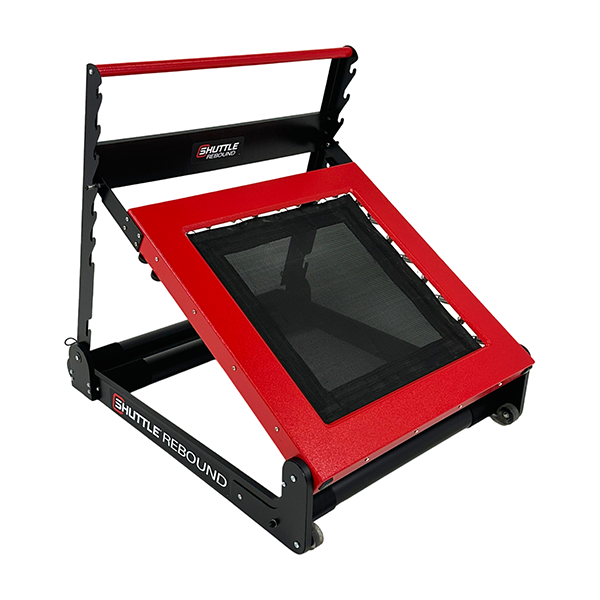
At Sterling Physical Therapy, patient safety and independence are our top priorities. That’s why we’re excited to spotlight the Shuttle Rebounder, a versatile tool used in our clinic to support balance and fall prevention therapy.
The Shuttle Rebounder helps improve balance, coordination, and stability by allowing patients to engage in controlled, dynamic exercises. Its tension-based rebound surface mimics real-life movements, strengthening key muscle groups and improving reaction times. This makes it an excellent tool for building confidence and enhancing functional mobility.
With adjustable tension settings, the Rebounder is suitable for patients of all fitness levels and abilities. Our therapists incorporate it into personalized treatment plans, from gentle stepping drills to more advanced agility exercises, helping patients safely regain stability and independence.
If you or a loved one struggles with balance, contact Sterling PT today to learn how the Shuttle Rebounder and our skilled therapists can help you achieve your goals!
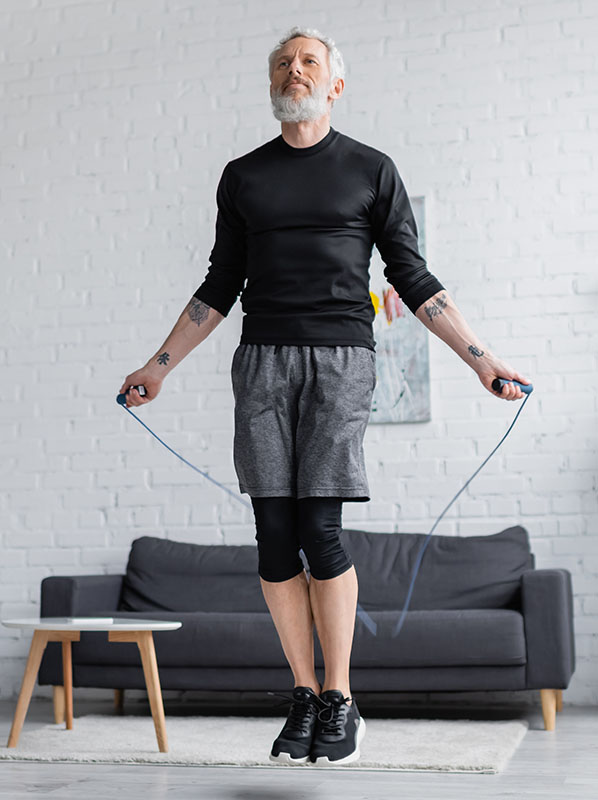
Five Indoor Cardio Workouts To Get Your Heart Pumping This February
February might be National Heart Month – but, in many places, it’s also one of the coldest months of the year. Snow, ice, and freezing temperatures can make it hard to go for a morning jog or hit the gym.
The good news? You still have plenty of options to get your cardio in, no matter what the weather is doing outside! Here are five of the Sterling PT & Wellness team’s favorite indoor cardio workouts (that don’t require any expensive equipment):
Jump Rope
Jump ropes are inexpensive and easy to store. They’re also a simple way to get your heart pumping while improving coordination. If jumping rope feels too intense for you, try bouncing up or down without a rope or perform some high knee marches.
Dance
Dancing is a fantastic cardio workout that–bonus–doesn’t feel like working out! You can opt for dance fitness videos (like Zumba) or just plug in a high-energy playlist and make up your own choreography.
Body Weight Circuits
Combine exercises like jumping jacks, mountain climbers, burpees, and high knees into a circuit for a quick, high-intensity cardio blast.
Stair Climbing
If you have stairs in your home, use them in place of your gym’s stair-stepper machine for an efficient cardio workout. You could also invest in an adjustable step block.
Online Aerobic Classes
Many studios offer online options (both live and prerecorded) for aerobic classes like HIIT, kickboxing, dance fitness, and more. Try different types until you find one you enjoy.
If you’d like more guidance when planning your cardio routine, schedule an appointment at Sterling PT & Wellness! Our team will help you find the best exercises for your needs.
Reignite Your New Year’s Resolutions
Did you set big goals last month? And have they already started to fizzle out?
The good news: You’re not alone. The better news: Sterling PT & Wellness can help you reignite your New Year’s resolutions so you can achieve your health and wellness goals all year long.
- Is pain holding you back? Our physical therapists will dig down to the root cause and find a lasting solution.
- Did you burn out? Many people go a little too hard at the start of the new year. We’ll help you find a sustainable health or fitness program to stay with you for life.
- Are you overwhelmed by choice? One of our comprehensive assessments can give you a sense of any biomechanical issues or muscular imbalances in your body – helping to hone your focus.
No matter what goals you set on January 1st, our team wants to see you accomplish them. Schedule an appointment with us today to get started!


Feel Better by Eating Better!
Anti-Inflammatory Ginger & Turmeric Carrot Soup
This delicious ginger and turmeric carrot soup is as comforting as it is healing. Packed with strong flavors like garlic, fennel, and ginger, and full of anti-inflammatory ingredients, this is the perfect winter soup.
Directions: Heat the olive oil in a large dutch oven or saucepan. Add the fennel, leeks, carrots, and squash. Sauté for 3-5 minutes until the veggies start to soften. Add the garlic, ginger, turmeric, salt, and pepper, and sauté for a few more minutes. Add the broth and coconut milk. Bring the mixture to a boil, cover, and simmer for 20 minutes. Once the soup is cooked, add it to a blender and blend until creamy. You could also use an immersion blender. Taste and adjust the seasonings to your taste. Serve immediately with a dollop of coconut yogurt and enjoy!
https://www.simplyquinoa.com/anti-inflammatory-ginger-turmeric-carrot-soup
Ingredients
- 1 tablespoon olive oil
- 1 leek, cleaned and sliced
- 1 cup chopped fennel bulb (1 small head)
- 3 cups chopped carrots
- 1 cup chopped butternut squash (or more carrots)
- 2 garlic cloves, minced
- 1 tablespoon grated ginger (about a 2-inch piece)
- 1 tablespoon turmeric powder
- Salt & pepper to taste
- 3 cups low-sodium vegetable broth
- 1 can lite coconut milk (14.5 ounces)
Join Us for a
FREE Knee Pain Workshop
February 11th at 10:00 AM
In Our Sugarland Clinic
Presented by: Dr. Carter
1449 Hwy 6, Suite 260, Sugar Land, TX 77478
and
February 18th at 10:00 AM
In Our Bellaire Clinic
Presented by: Dr. Martinez
5101 Bellaire Blvd, Suite 265, Bellaire, TX 77401
Workshops are free but space is limited. Reserve your spot today.
Exercise of the Month
Single Leg Balance (Ankle)
Start by standing up straight with your feet close together. Slowly raise one foot off the ground slightly. Make sure to brace your abdominals. Hold for 30 seconds and repeat twice on both legs.