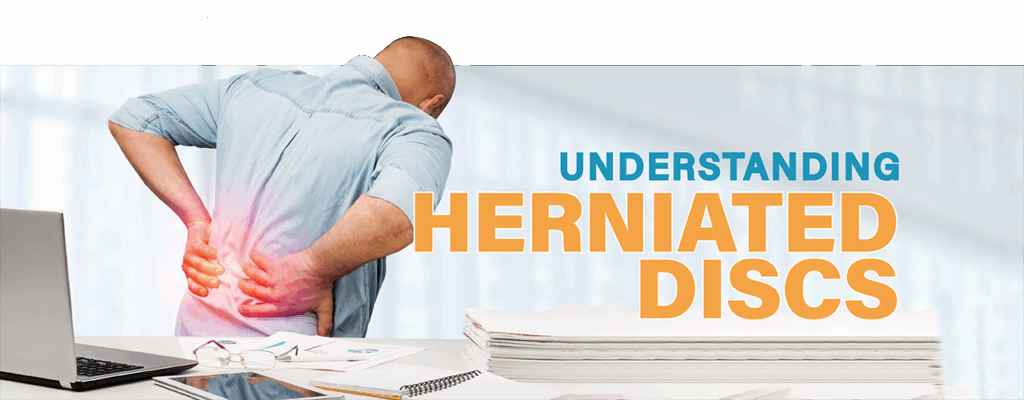
Are you struggling with severe lower back pain? Did you injure your back when bending or twisting? You could be suffering from a herniated disc.
A herniated disc is one of the most painful back injuries that you can experience, and it is far more common than you may be initially aware of. A herniated disc is commonly associated with severe or sharp pain starting in the lower back (or neck) radiating down the leg (or arm). It can be so intense that people struggle to do everyday activities.
Call Sterling PT & Wellness today to make an appointment. With guidance from our physical therapists, you can find solutions to your pain and get back to living the life you enjoy!
What is a Herniated Disc?
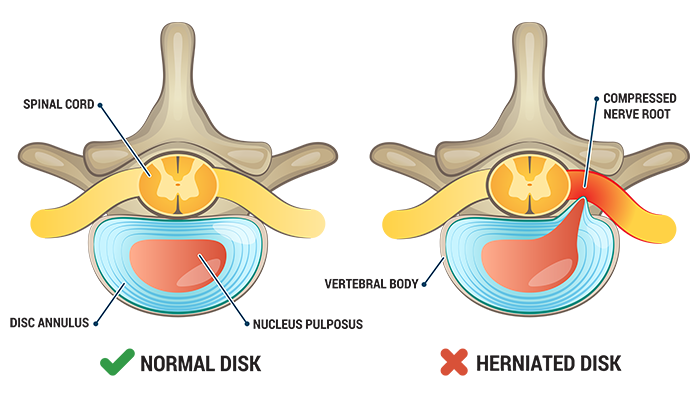
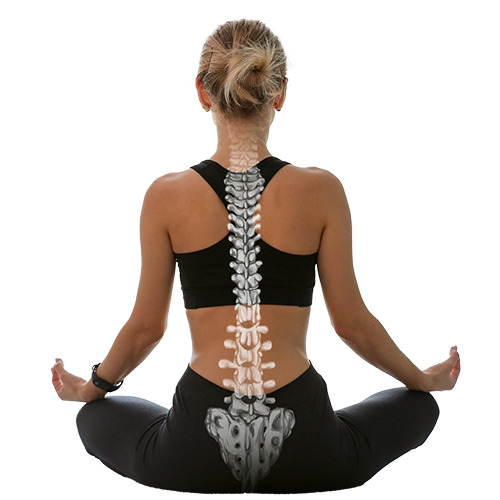
Your spine comprises a series of interlocking bones, called vertebrae, with a specialized tissue in between each vertebra called the intervertebral disc (aka disc). The structure of your spine is what allows you to move freely forward and back, rotationally and from side to side.
The discs provide cushioning and allow motion throughout the levels of the spine. The disc consists of fluid the consistency of toothpaste and moves depending on the positions and movements we perform. As we get older, the disc will start to break down and dehydrate, making it more susceptible to herniation.
A herniated disc is a condition in which the nucleus pulposus (located within the center of the disc) herniates. This herniation causes pain and maybe even more pain if the herniated disc begins to press on the adjacent spinal nerves, causing pain and inflammation.
Causes of Disc Herniation
The most common cause of disc herniation is the degenerative process. As we age, the disc is less hydrated, and it weakens. This process makes the disc more susceptible to herniation.
The second most common cause of disc herniation is trauma. The most common injuries are bending, twisting, and lifting events. It is also possible to herniate from traumas related to sports injuries or car accidents. In these cases, the herniation occurs as a result of overloading of pressure on the disc.
A recent study found that static overloading, like prolonged sitting and sedentary lifestyles, may be the mechanism in younger people without significant degeneration in their discs. The prolonged postures, especially slouched postures, lead to a shearing type of pressure that weakens the disc, making it more susceptible to herniation.
Risk factors that can increase your risk of a herniated disc include:
Smoking. It’s thought that smoking lessens the oxygen supply to the disc, causing it to break down more quickly.
Weight. Excess body weight causes extra stress on the discs in your lower back.
Occupation. People with physically demanding jobs that require repetitive lifting, bending, and twisting also can increase your risk of a herniated disc.
Sedentary lifestyles. Prolonged sitting postures, whether in an office or vehicle, have a greater risk of back problems.
Genetics. Some people inherit a predisposition to developing a herniated disc.
Treatment for Herniated Discs
If you suspect that you may have a herniated disc, contact a physical therapist right away. Attempting to engage in therapy at home could lead to further injury. It is best to have an experienced therapist assess your injury before attempting any treatment options.
Your physical therapist will perform a thorough physical examination and provide you with solutions that work based on the findings. A combination of passive and active techniques is typically employed, including:
Education — Understanding the source of your pain and managing it can help you be proactive and find a solution.
Advice to stay active — It is crucial to stay active. Your physical therapist can help you identify modifications to painful tasks and help you be safe and active.
Therapeutic interventions — A physical therapist will tailor your exercises, monitor you, and progress you based on your individual needs. Supervised exercise therapy includes:
• Range of motion exercises
• Proper stretching exercises
• Strength exercises
• Manual therapy techniques for pain relief and improved mobility
• Electrical stimulation for pain relief
Contact Our Clinic Today
Physical therapy aims to restore range of motion and improve strength while reducing the general experience of pain. It provides targeted exercises that support the spinal joints with precise movements that help reinforce strength and range of motion.
Call Sterling PT & Wellness today for a comprehensive assessment and learn what steps you can take to alleviate your pain and prevent further episodes.
Patient Spotlight
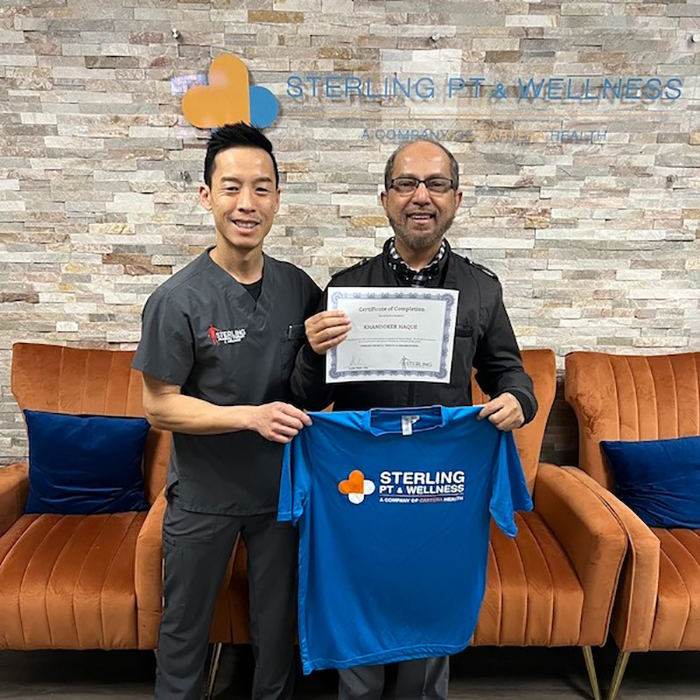
Mr. Haque came in with right shoulder pain and limited ROM after having surgery to remove some cancerous tissue in his arm. He’s now pain free and is fully functional with his arm and has been able to drive longer distances without discomfort now.

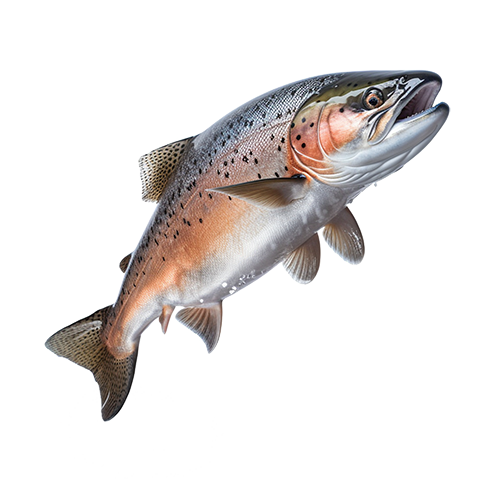
Salmon Burgers
These burgers are loaded with buttery fresh salmon and cook up juicy — all without firing up the grill.
Directions: Combine first 5 ingredients in a large bowl. Combine hot pepper sauce and egg white in a small bowl; add egg white mixture to salmon mixture, stirring well to combine. Divide the mixture into 4 equal portions, shaping each into a 1/2-inch-thick patty. Heat a large nonstick skillet over medium-high heat. Coat pan with cooking spray. Add salmon patties, and cook 3 minutes on each side or until desired degree of doneness. Serve patties on toasted focaccia.
Ingredients
- 1 cup finely chopped
- red onion
- 1/4 cup thinly sliced
- fresh basil
- 1/4 tsp salt
- 1 pound salmon fillet
- 1/4 tsp freshly ground black pepper
- 1 tbsp hot pepper sauce
- 1 large egg white
- Cooking spray
- 8 slices focaccia, toasted

STAFF SPOTLIGHT
Congrats to Dr. Vanesa Sierra and her family!
They are expecting a baby boy in a couple of months. We wish them nothing but love and happiness with their new bundle of joy.

FREE Workshops
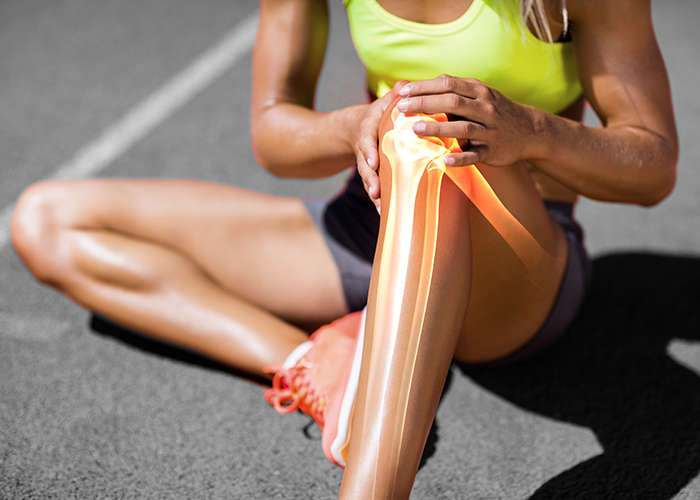
KNEE Pain
Workshop
Sept. 3 at 6:00 PM
SterlingPTW | Bellaire
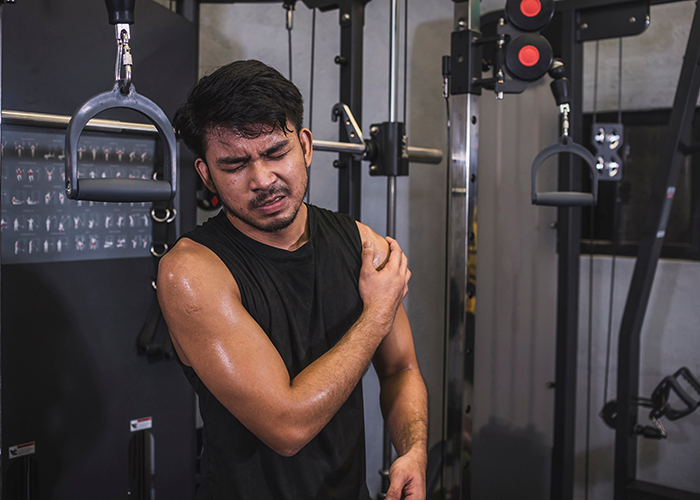
Rotator Cuff
Workshop
Sept. 17 at 6:00 PM
SterlingPTW | Sugarland
Workshops are free but space is limited. Reserve your spot today.
Exercise of the Month
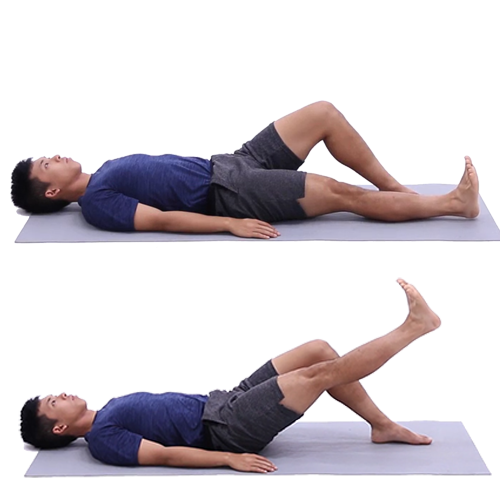
Straight Leg Raise Isometric Hold (45-Degrees)
Start by lying on your back with your arms by your sides, your working leg straight, and your non-working leg bent with your foot flat on the floor. Brace your abdominals and raise your working leg up until it is at a 45-degree angle with the floor. Make sure to keep your leg fully extended. Hold as directed. Lower your leg. Hold for 5 seconds. 3 sets, 5 reps.
FOR MORE EXERCISES, CHECK Out Our Video Blogs Page!