Are Shin Splints Getting In The Way of Your Runner’s High?
Do your shins throb after your daily jogs? You may be experiencing shin splints. At Sterling PT & Wellness, our physical therapists can help your shin splints whether or not you’re a runner. We offer the most advanced rehabilitation strategies to get you relief and eliminate re-injury.
Shin splints, also known as medial tibial stress syndrome, occur when excessive stress is on your shinbone and the surrounding tissues. These tissues become irritated, inflamed, and painful.
Research indicates that around 15% of runners experience shin splints and they are the most common injury for new runners. Shin splints can present themselves in anyone whose lifestyle includes substantial physical demand or after a significant increase in their activity level.
Shin splints can be painful and debilitating in your daily life, but physical therapy can help alleviate the pain and correct the condition.
Call our office today and speak with someone about how physical therapy can help fix your shin splints!
Common Causes of Shin Splints
Shin splints are most common with athletes but can occur with anyone who makes training errors, like overloading or running too fast for their ability and training capacity. Often the injury is related to changes in the training, as an increase in distance, intensity, and duration.
There are other causes of shin splints, including:
- Previous injury: If you have had a foot, leg, or shin injury in the past, your risk of shin splints is higher.
- Body mass: A BMI greater than 20 makes you more susceptible to developing shin splints.
- Improper footwear: Wearing ill-fitted shoes or a previous history of wearing orthotics can increase your risk of shin splints.
- Inexperienced runners: Training mistakes made by novice runners include running too far, too fast, and not resting appropriately.
- Lack of warm-up: Completing a workout without a warm-up can irritate your calf muscles, increasing your risk of shin splints.
- Overpronation: Excessive flattening of the arches while standing, walking, or running increases the risk of shin splints.
The best treatment for shin splints is prevention. Our physical therapists will screen you to identify your risk factors and provide guidance on how to resolve your pain and/or prevent shin splints altogether.
How Physical Therapy Can Help
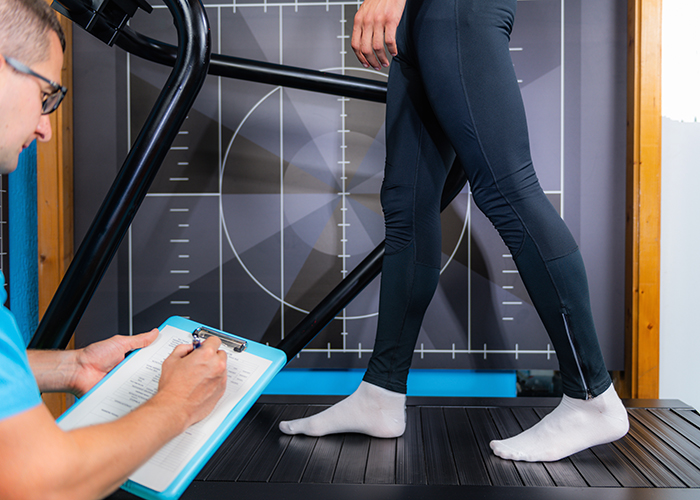
As noted above, the causes of shin splints are vast, but your physical therapist can help you figure out the root of the problem. They will complete an extensive evaluation process noting your painful areas and testing the abilities of your current physical motions.
Our treatments may include anything involving stretching, flexibility, gait, mobility, and range of motion. From there, your physical therapist will create a treatment plan based on your needs.
Treatment plans for a specified shin splint condition may include, but are not limited to:
Manual Therapy
Hands-on massage of the painful area and its surrounding areas to ease stress off of the injured tissue.
Exercise
These exercises can serve several functions, including strengthening, improving range of motion, and decreasing stress on the lower leg.
Modify Mechanics
Sometimes, shin splints can result from poor gait mechanics or jumping and landing strategies. Your physical therapist may work with you to modify your take-off/landing techniques or how you control your foot, knee, and hip while walking or running.
Taping
Your physical therapist may suggest Kinesio-taping the affected area to promote healing and support the affected muscles.
Footwear Suggestions
Your physical therapist may provide you with advice to help speed up your shin splint recovery and decrease your risk in the future.
Rest
Your physical therapist may suggest taking a short break from the activity that caused or aggravated your pain. You will continue exercising, but avoid things that irritate your shin splints until you are healed.
Contact Our Office Today
At Sterling PT & Wellness, we are dedicated to assisting you in your healing journey and making it as comfortable for you as possible.
If you believe you may be suffering from shin splints, give us a call today. We will help you get back on your feet in no time!
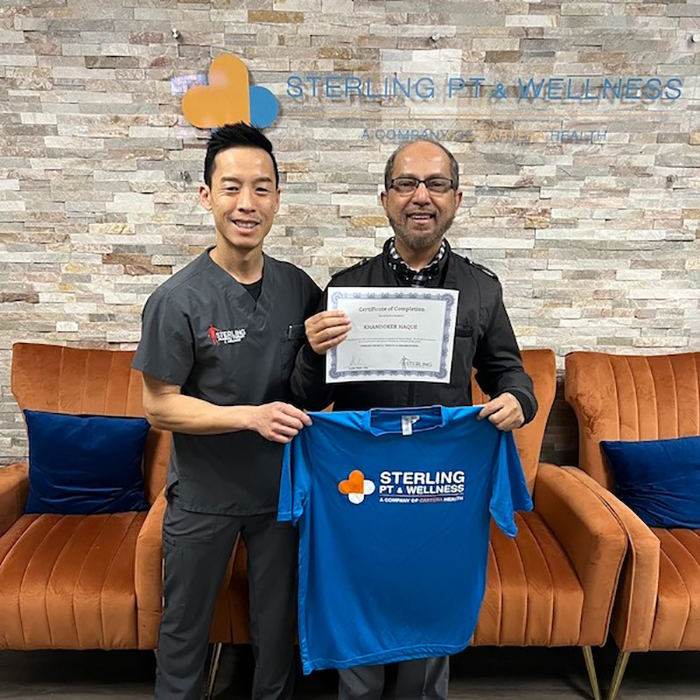
Patient Spotlight
Mr. Haque came in with right shoulder pain and limited ROM after having surgery to remove some cancerous tissue in his arm. He’s now pain free and is fully functional with his arm and has been able to drive longer distances without discomfort now.
Tips for Hosting a Great Tailgate
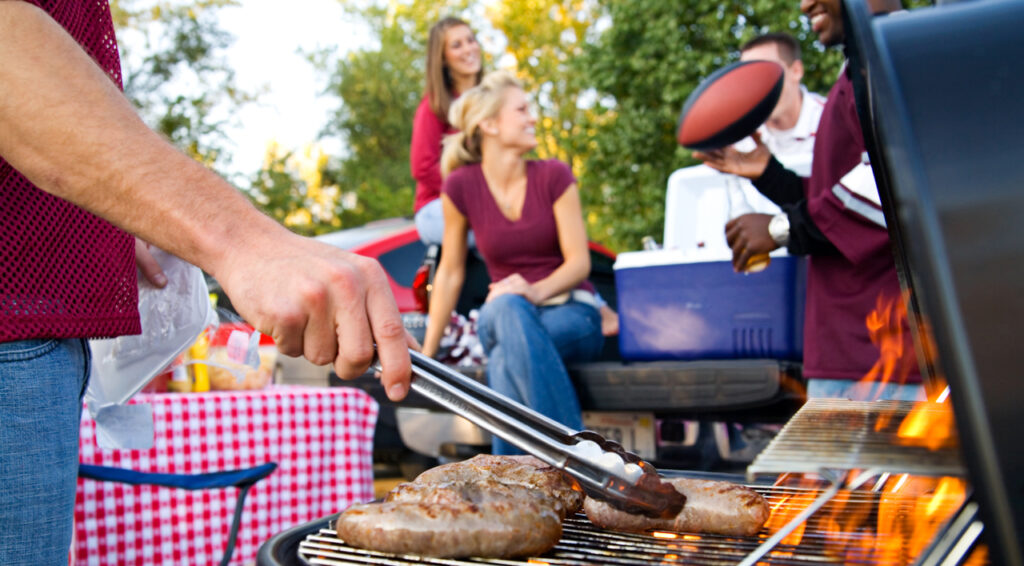
It’s finally fall, which means it’s football season! If you’re anything like us, this is your favorite time of the year. Are you searching for ways to make your tailgate come alive this season?
We’ve compiled a list of ways to help your party live up to the hype.

1. Bring a quality speaker
It’s no secret that tailgates can get loud. A nice Bluetooth speaker will help you cut through the noise and enjoy your favorite songs with friends and family.
2. Invest in some merch
Everyone loves free stuff– and your friends and family are no exception. You don’t have to break the bank to show your guests that you’re looking out for them. Some simple beads, mini flags, or face tattoos will help your guests get into the spirit of the game!
3. Bring blankets
Nothing disrupts the mood quite like cold weather. Bringing blankets or hand warmers is a great way to ensure that your tailgate doesn’t freeze over this season.
4. Provide a place to sit
Providing seating for your guests helps ensure that everyone is comfortable at your tailgate party. It’s also much easier to eat and enjoy food if you have a place to sit. Lawn chairs and folding chairs are lightweight and portable, making them ideal for tailgate parties.
5. Play tailgate games
Setting up games for your guests is a great way to liven up a crowd. Think about bringing cornhole boards, giant Jenga, or a football to pass around to help your guests have a great time.
The team at Sterling PT & Wellness hopes your tailgates are enjoyable this fall! Let our staff know if you end up following any of the advice on this list. We’re looking forward to seeing you in the office soon!

Contact Our Clinic Today
Physical therapy aims to restore range of motion and improve strength while reducing the general experience of pain. It provides targeted exercises that support the spinal joints with precise movements that help reinforce strength and range of motion.
Call Sterling PT & Wellness today for a comprehensive assessment and learn what steps you can take to alleviate your pain and prevent further episodes.
Simple Tasty Chili
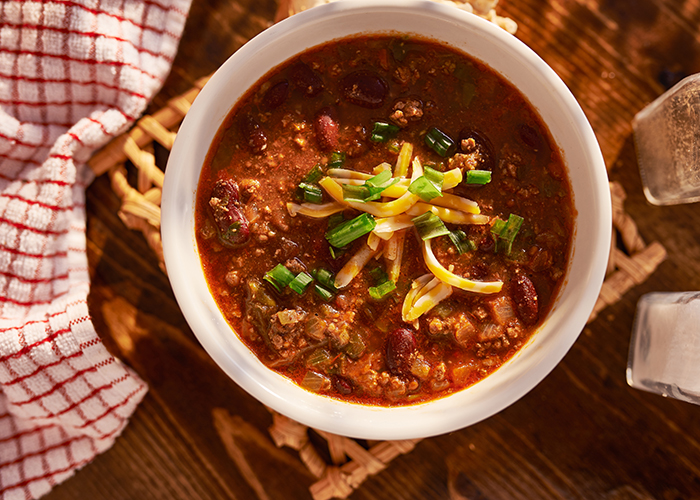
Looking for a tasty dish for that tailgate party or dinner with the family? This easy chili dish is the perfect choice.
Directions:
Cook first 4 ingredients in a large skillet over medium-high heat, stirring until beef crumbles and is no longer pink; drain. Place mixture in 5-quart slow cooker; stir in beans and remaining ingredients. Cook at HIGH 3 to 4 hours or at LOW 5 to 6 hours.
Notes: If you want to thicken this saucy chili, stir in finely crushed saltine crackers until the desired thickness is achieved.
Ingredients
- 1 1/2 pounds lean ground beef
- 1 onion, chopped
- 1 small green bell pepper, chopped
- 2 garlic cloves, minced
- 2 (16-ounce) cans red kidney beans, rinsed and drained
- 2 (14-1/2-ounce) cans diced tomatoes
- 2 to 3 tablespoons chili powder
- 1 teaspoon salt
- 1 teaspoon pepper
- 1 teaspoon ground cumin

STAFF SPOTLIGHT
Keziah Tan
Keziah is our Social Media Manager and Content Creator, and she has been instrumental in providing our patients and social media audience with an inside look at the daily operations and culture here at Sterling. Her creativity, intelligence, and talent shine through in everything she does. We truly appreciate you, Keziah!
FREE Workshops
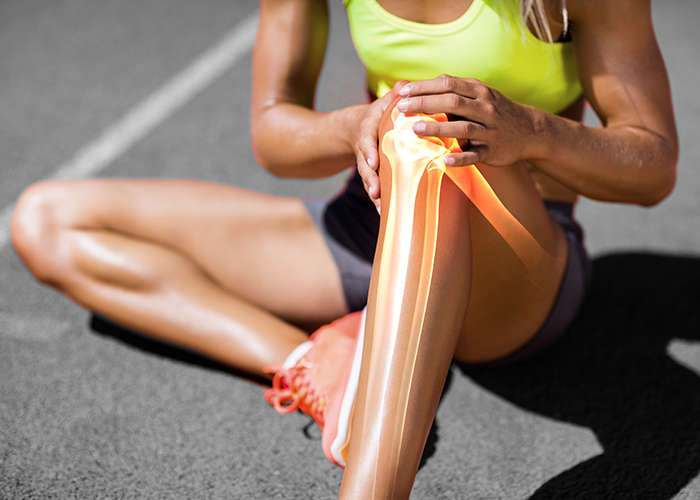
KNEE Pain
Workshop
Sept. 3 at 6:00 PM
SterlingPTW | Bellaire
Rotator Cuff
Workshop
Sept. 17 at 6:00 PM
SterlingPTW | Sugarland
Workshops are free but space is limited. Reserve your spot today.
Exercise of the Month
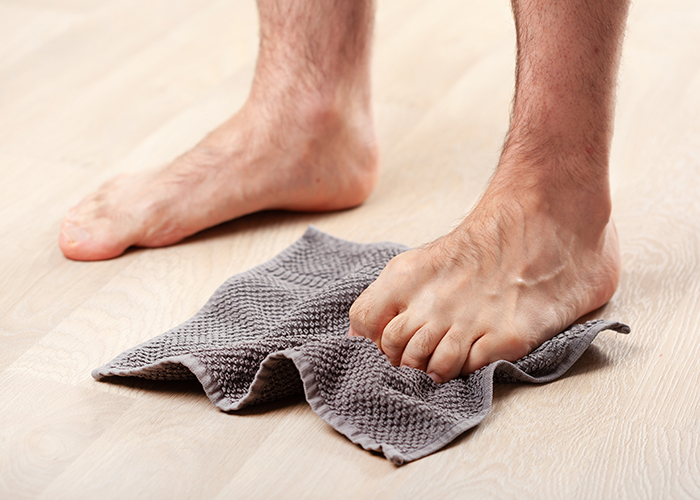
Toe Flexion (Towel)
Place a towel on a smooth floor and sit in a chair directly behind the towel. With feet flat on the floor, one foot on the towel, crunch your toes to pull the towel in, hold as directed, then relax your foot. 3 sets, 10 reps.
FOR MORE EXERCISES, CHECK Out Our Video Blogs Page!